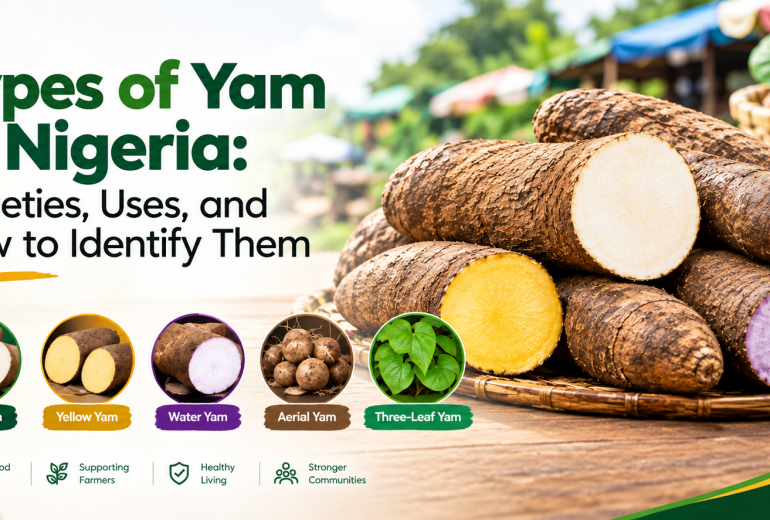
Types of Yam in Nigeria: Varieties, Uses, and How to Identify Them
Yam is one of the most loved foods in Nigeria. From boiled yam and egg sauce to pounded yam with soup, it holds a special place in many Nigerian homes. It is also an important crop for farmers, traders and food sellers across the country.
However, not all yams are the same. Some are better for pounded yam, some are commonly used for porridge, and others are enjoyed boiled, roasted or fried. Their colour, texture, taste and cooking time can also differ.
If you have ever visited a local market and wondered which type of yam to buy for a particular meal, this guide is for you.
At Flintstone Farms, we understand the importance of quality agricultural produce to Nigerian households and food businesses. Learn more about our farm produce and agricultural offerings.
In this article, we will explore the common types of yam found in Nigeria, their uses, their nutritional benefits and how to choose good-quality yam for your kitchen.
What Is Yam?
Yam is a root-like underground tuber that grows on a climbing plant. It is a staple food in Nigeria and many other parts of Africa, providing energy and forming part of everyday meals.
Yam is sold in markets, supermarkets and directly from farms. It comes in different varieties, sizes, shapes and colours. Some have white flesh, while others have yellow or purple flesh.
In Nigeria, yam is commonly eaten boiled, fried, roasted or pounded. It is also used to prepare yam porridge, yam flour and other traditional dishes.
“Yam belongs to the genus Dioscorea, which includes several species grown for food. You can learn more about the plant in this guide to yam from Encyclopaedia Britannica.”
5 Common Types of Yam and Their Uses
1. White Yam
 White yam is one of the most popular types of yam in Nigeria. It is widely grown, sold and eaten in different parts of the country.
As its name implies, the flesh is usually white or creamy. Depending on the variety, it can have a firm or slightly soft texture when cooked.
What is white yam used for?
White yam is commonly used to prepare:
- Pounded yam served with soups such as egusi, ogbono and vegetable soup.
- Boiled yam eaten with egg sauce, garden egg sauce or stew.
- Fried yam served with pepper sauce.
- Roasted yam, especially when paired with palm oil and pepper.
- Yam porridge cooked with palm oil, vegetables and seasonings.
White yam is a good choice for households that enjoy traditional yam dishes. Some varieties are particularly suitable for pounded yam because they become soft and smooth after cooking.
- Yellow Yam
 Yellow yam has yellow or golden-coloured flesh. It is known for its distinctive appearance and is enjoyed in different communities.
The colour and texture may vary depending on the variety. Some types become soft when cooked, while others have a firmer texture.
What is yellow yam used for?
Yellow yam can be prepared in several ways, including:
- Boiling and serving with stew or sauce.
- Frying and eating with pepper sauce.
- Preparing yam porridge.
- Roasting and serving as a snack or meal accompaniment.
Yellow yam is also a source of energy and provides nutrients such as carbohydrates, fibre and potassium in varying amounts.
When buying yellow yam, choose firm tubers without signs of rot or extensive damage.
- Water Yam

 Water yam is another type of yam eaten in Nigeria. It is different from the common white yam in appearance and texture.
Depending on the variety, water yam may have white, pale purple or purple-tinged flesh. When peeled and cut, it often feels wetter and more slippery than white yam.
What is water yam used for?
Water yam is commonly used to prepare:
- Water yam porridge.
- Water yam pottage with palm oil and vegetables.
- Yam fritters and other local snacks.
- Special water yam dishes prepared with pepper, fish and seasonings.
In some Nigerian communities, grated water yam is used to make a thick mixture that is cooked with other ingredients.
Water yam is a useful option for people who enjoy trying different yam recipes beyond ordinary boiled or fried yam.
- Aerial Yam
 Aerial yam is different from the yam varieties most people buy in the market. Instead of producing only the familiar large underground tuber, the plant can also produce small, potato-like growths along its climbing vine.
These growths are called aerial tubers.
Aerial yam is found in some tropical regions, including parts of Africa. Its appearance and food uses can vary considerably.
What is aerial yam used for?
Some types are eaten in communities where they are traditionally prepared as food. However, not all aerial yams are safe to eat. Some contain harmful substances and require proper identification and processing.
For this reason, never eat an unfamiliar aerial yam simply because it looks like an ordinary food tuber. Buy it from a reliable source and make sure the variety is known to be safe for consumption.
- Three-Leaf Yam
 Three-leaf yam, also called trifoliate yam, is a less commonly discussed yam species. Its name comes from the arrangement of three leaflets that often appear together on its leaves.
It is grown in parts of tropical Africa and may be found in some local farming communities.
Unlike the common white yam, three-leaf yam is not as widely recognised in everyday Nigerian cooking. Its characteristics and food uses depend on the variety and how it is prepared.
An important safety note: Some forms of three-leaf yam can contain harmful substances and need proper processing. Correct identification and preparation are essential before consumption.
For everyday cooking, it is best to buy familiar yam varieties from trusted farmers and sellers. “For additional botanical information about yam species and their scientific names, explore Plants of the World Online, maintained by the Royal Botanic Gardens, Kew.”
White Yam vs Yellow Yam vs Water Yam: What Is the Difference?
Although these three types of yam are used in Nigerian cooking, they differ in colour, texture and common uses.
|
FEATURES |
WHITE YAM |
YELLOW YAM |
WATER YAM |
|
Flesh Colour |
White or creamy |
Yellow or golden |
White or sometimes purple-tinged |
|
Common Uses |
Pounded yam, boiling, frying and roasting |
Boiling, frying and porridge |
Porridge, pottage and fritters |
|
Texture |
Varies from firm to soft |
Varies by variety |
Often wetter and more slippery when raw |
|
What to look for |
Firm tuber without rot |
Firm tuber with no signs of spoilage |
Fresh tuber without soft, rotten areas |
Keep in mind that cooking results depend on the specific variety, how mature the yam is and how it is prepared.
Which Type of Yam Is Best for Pounded Yam?
White yam is a popular choice for making pounded yam in Nigeria. However, the best result depends on the variety.
For smooth and stretchy pounded yam, look for a variety that cooks until soft and can be pounded easily without leaving hard lumps.
Here are a few tips:
- Choose mature, good-quality yam.
- Peel and cut the yam into manageable pieces.
- Cook it until it becomes soft all the way through.
- Pound it thoroughly until smooth.
- Add small amounts of hot water during preparation if needed to achieve the desired consistency.
Some varieties of white yam are better suited to pounded yam than others, so it helps to ask an experienced seller or farmer for recommendations.
Nutritional Benefits of Yam
Yam is more than just a filling meal. It provides nutrients that help support the daily needs of the body. “For more information about the nutrients found in foods, consult USDA FoodData Central, a food composition database.”
- Provides energy
Yam contains carbohydrates, which the body uses as its main source of energy. This makes it a useful part of meals for people with active lifestyles.
- Contains fibre
Yam provides dietary fibre, although the amount varies by variety and preparation. Fibre supports normal digestion and can help promote regular bowel movements.
- Supplies important nutrients
Yam contains nutrients such as potassium, vitamin C and vitamin B6 in varying amounts. These nutrients play different roles in normal body function.
4. Can be part of a balanced diet
Yam can be enjoyed with foods such as vegetables, beans, fish, eggs and other protein sources. Pairing it with these foods helps create a more balanced meal.
A balanced diet includes a variety of foods. You can also read our guide to the nutritional benefits of locally grown farm produce.
A helpful tip: The nutritional value of a yam dish also depends on how it is prepared. Boiled yam may contain less added fat than yam that is deep-fried in oil.
How to Choose Good-Quality Yam
Buying good yam can make a big difference to the taste and quality of your meals. Here are some simple things to check before making a purchase. For more information visit our previous article
1. Check the outside. Choose tubers that look reasonably firm and free from extensive cuts, rot or mould.
2. Avoid soft or rotten areas. A tuber with significant soft spots, a bad smell or visible decay may be spoiled.
3. Consider the intended meal. If you want to make pounded yam, ask for a variety suitable for pounding. For frying or boiling, choose a variety you know cooks well for those dishes.
4. Buy from a trusted seller. An experienced farmer or market seller can help you identify suitable varieties and explain how they are commonly used.
- Store yam properly. Keep whole, uncut yam in a cool, dry, well-ventilated place away from excessive moisture and direct sunlight. Check it regularly and remove any tuber that begins to rot.
- Handle cut yam carefully. Once cut, yam should be stored appropriately and used promptly to maintain its quality.
Frequently Asked Questions About Yam in Nigeria
- What are the common types of yam in Nigeria?
White yam, yellow yam and water yam are among the best-known types used in Nigerian cooking. Other species, such as aerial yam and three-leaf yam, are also found in some communities.
- Which yam is best for boiling?
White yam is a common choice for boiling, although yellow yam can also be boiled. The best option depends on your preferred taste and texture.
- Is water yam the same as white yam?
No. Water yam and white yam come from different yam species and often have different textures. Water yam is generally wetter and more slippery when raw, while common white yam is usually firmer.
- Is yam healthy to eat?
Yes. Yam provides carbohydrates, fibre and several vitamins and minerals. It can form part of a balanced diet when eaten in suitable portions alongside other nutritious foods.
- Can all types of yam be eaten?
No. While many cultivated yam varieties are grown for food, some species or varieties contain harmful substances and require special processing. Only eat yam that has been correctly identified as safe for consumption and properly prepared.
- How can I keep yam fresh for longer?
Store whole, uncut yam in a dry, well-ventilated location and check it regularly for spoilage. Avoid keeping it in a damp place, as moisture can encourage rot.
Final Thoughts
Yam remains an important part of Nigerian food culture, from everyday family meals to special occasions. Understanding the different types of yam can help you choose the right variety for your favourite dishes, reduce food waste and enjoy more variety in your cooking.
From white yam for pounded yam to water yam for porridge and fritters, each type has something different to offer. The key is to understand the variety you are buying, choose good-quality tubers and prepare them properly.
At Flintstone Farm, we believe quality agricultural produce plays an important role in feeding households and supporting local food businesses. If you are looking for farm produce for your home, shop or bulk supply needs, get in touch with us to enquire about product availability, quantities and current prices.
Choose quality. Support agriculture. Enjoy good food with Flintstone Farm. Interested in our agricultural products? Contact us to enquire about availability and bulk orders.
You Might Also Like: Fresh New Yam for Sale in Port Harcourt: The New Harvest Has Arrived
Palm Oil for Sale in Port Harcourt: Where to Buy Quality Palm Oil at Good Prices
Why Ogoni Garri Is Highly Valued in Nigeria: What Makes It Stand Out?
Why Palm Oil and Garri Are Smart Agricultural Investments in Nigeria